

timeline: preparing Home for market
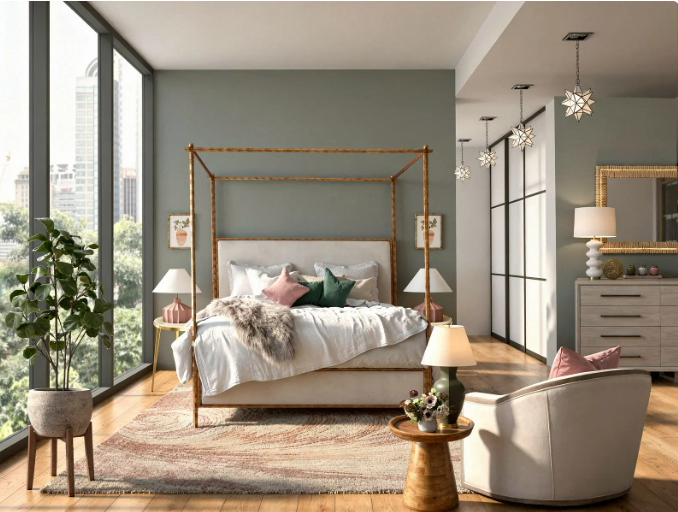
Vacant homes can be beautiful, but they can also be harder for buyers to understand.
Without furniture, buyers may struggle to see how a room functions, how large a space really is, or how the home might feel once someone is living there. Vacant staging helps create clarity by giving key rooms purpose, scale, warmth, and flow.
One of the most common questions homeowners and realtors ask is:
How long does vacant staging take?
The answer depends on the size of the home, the condition of the property, inventory availability, delivery scheduling, and the target listing date. In many cases, vacant staging can take anywhere from several days to two weeks from the initial review to photo-ready completion.
Timeline framework adapted and customized by Abbi Gayle Interiors using educational staging guidance provided by StagingRents, a Phoenix-area staging rental resource.
Why vacant staging requires planning
Vacant staging involves more than bringing furniture into an empty home.
A thoughtful staging plan considers the home’s style, price point, likely buyer, room layout, furniture scale, photography needs, and overall first impression.
The goal is not to stage every inch of the home. The goal is to help buyers understand the most important spaces quickly and emotionally connect with the property.
That is why staging should ideally be discussed before the photography date is scheduled.
The typical vacant staging process
The vacant staging process usually includes five main steps.
1. Property review
The stager reviews the home and identifies which spaces should be staged for the strongest buyer impression.
Common priorities include the living room, dining area, kitchen accents, primary bedroom, entryway, flex spaces, and outdoor living areas.
Not every room needs to be staged. The best staging plan focuses on the spaces that matter most in photos and showings.
2. Staging plan and selections
After the property review, the stager creates a plan for the home.
This may include room priorities, furniture needs, style direction, layout planning, accessory selections, delivery coordination, and installation scheduling.
For vacant homes, this step is important because empty rooms do not always communicate scale, warmth, or purpose on their own.
3. Home preparation
Before staging installation, the home should be clean, repaired, and ready for furniture.
This may include deep cleaning, paint touch-ups, minor repairs, window cleaning, floor cleaning, light bulb replacement, yard cleanup, and removal of any leftover boxes, tools, or personal items.
This step often has the biggest impact on the timeline. A clean, empty, ready-to-stage home can move much faster than a home that still needs preparation.
4. Delivery and installation
During installation, furniture, rugs, artwork, bedding, greenery, lighting, and accessories are delivered and arranged in the selected spaces.
For many homes, installation can be completed in one day. Larger homes or more extensive staging projects may require additional time.
5. Final styling and photography preparation
Final styling prepares the home for listing photos and showings.
This may include adjusting pillows, smoothing bedding, aligning artwork, styling countertops, editing accessories, and checking sightlines from room to room.
This step matters because most buyers see the home online first. The photos need to create interest, and the home needs to feel inviting when buyers arrive in person.
Sample vacant staging timeline
A typical timeline may look like this:
Day 1: Property review and consultation
Days 2–3: Staging plan, room priorities, selections, and scheduling
Days 4–6: Cleaning, repairs, touch-ups, yard work, and home preparation
Day 7: Furniture delivery and staging installation
Day 8: Final styling and photography preparation
Some homes may move faster. Others may need closer to two weeks depending on size, condition, scope, inventory, and scheduling.
Before you schedule photos
Before listing photos are scheduled, it helps to make sure:
Staging has been discussed
The listing timeline is clear
Cleaning and repairs are complete
Personal items, boxes, and leftover materials are removed
Utilities are on
Exterior spaces are cleaned and prepared
The staging installation can be completed before photography
The smoother the preparation, the stronger the final presentation.
Final thought
Vacant staging helps buyers see the home more clearly.
It gives empty rooms purpose, shows scale, creates warmth, and helps buyers imagine how the home could feel once they are living there.
With the right planning, many vacant homes can be staged and photo-ready within several days to two weeks. The key is to start early, prepare the home well, and allow enough time for staging to support the listing strategy.
Learn more
Abbi Gayle Interiors offers vacant staging services for homeowners and realtors preparing homes for market in the Phoenix West Valley.
Learn more about vacant staging services:
Ready to start the conversation?
Contact
